
Our Mission
+ History
Our goals
01
Become a preservationist
Preserve and activate the historic Batcher Block Opera House as an inclusive community hub for arts, connection, and lifelong well‑being.
02
Create access for all
Our capital campaign centers on an elevator to ensure all guests are able to experience the joy of our space. In our vision, access is all-encompassing; it means equity, holistic wellness, and cultural experiences. Learn more about the Capital Campaign here
03
Reverberate history
Legacy is not just what we create, but what we safeguard. The Batcher Block Opera House is more than a building; it is a living history of the voices, artistry, and dreams that have shaped its halls.
The Batcher Block Opera House is on the National Register of Historic Places
The Role of Rural Opera Houses
IN HISTORY
-
“To most people, the term ‘opera house’ conjures up images of mink-coated dowagers accompanied by tuxedo-clad men in the gilded interiors of opulent buildings like the Met in New York or La Scala in Milan. By 1900, opera houses were everywhere: on second floors over hardware stores, in grand independent buildings, in the back rooms of New England town halls, and even in the bowels of a Mississippi department store.
Often the town's only large space for public assembly, the local opera house served as a place for local activities such as school graduations, recitations, sports, town meetings, elections, political rallies, and even social dances and roller skating parties. Considered local landmarks, often in distinctive architect-designed buildings, they aroused considerable pride and reinforced town identity.”
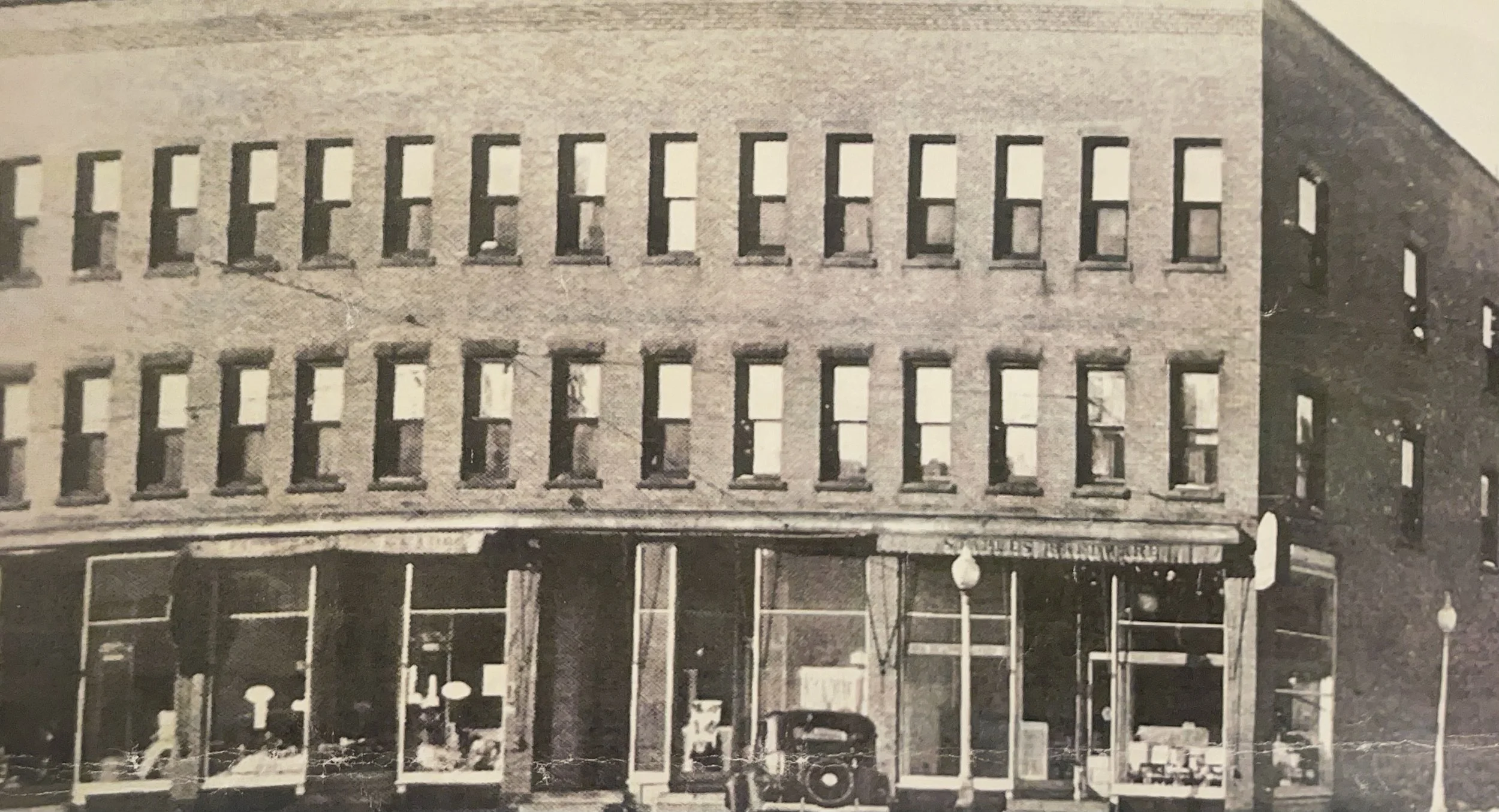
5th St. NE view of Batcher Block Opera House
IN MODERN TIME
-
A Third Place by Definition
A third place is a neutral, informal social environment separate from home (the first place) and work (the second place), where people can gather, socialize, and build a sense of community.
Third Place by Characteristic
Effective third places are accessible to a broad spectrum of the population, welcoming people of different backgrounds, ages, and socioeconomic statuses. Traditional third places like local cafes, parks, and community centers excelled in this aspect, fostering a sense of community by being open and inviting.
Staples as a Traveler’s Rest
Built in 1907 by Charles Batcher and originally situated on the historic Jefferson Highway, a north-south counterpart of the well-known Lincoln Memorial Highway that connected Winnipeg to New Orleans. Along this route, Staples was known as a “Traveler’s Rest” lauding 25,000 train passengers and 1,000 automobiles per day in the early 1900’s. And like many other rural towns, opera houses offered space for artistic performance and public assembly. These multi-level structures are typified by lower level offices or club rooms, and a second level stage with adjoining dressing rooms. Unlike single purpose opera houses or music halls of England, they operated as community chambers, a gathering place for any event requiring seating for a few hundred – high school graduations, town celebrations, touring lecturers, performers, like Mickey Rooney, Louie Anderson and Lamont Cranston who graced the stage of Batcher Block Opera House over the years.
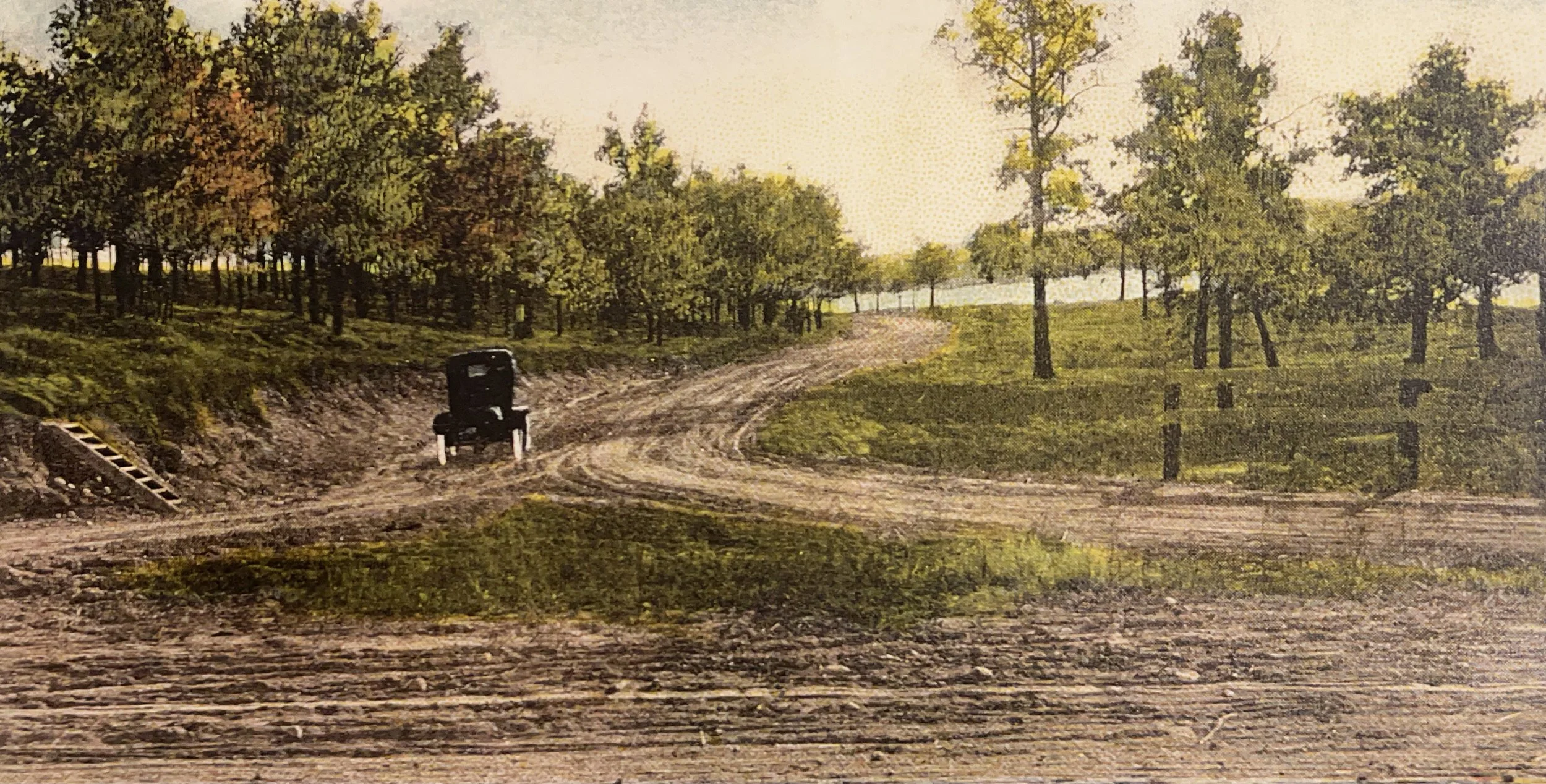
Jefferson Highway at St. Cloud
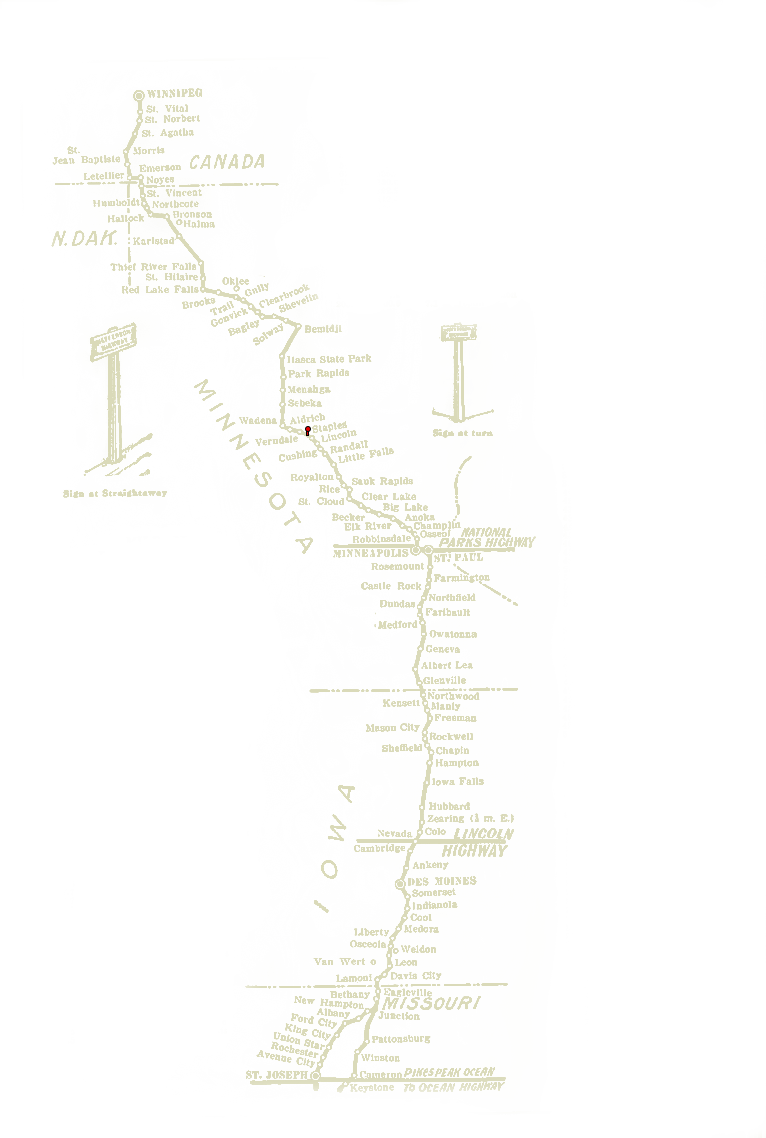
Create a Living History
Written above the entrance of the historic Batcher Block Opera House is “A place where dreams really do come true”. For Colleen Frost, who purchased the near city-block-sized venue with her twin brother Chris and wife Tracy in 2003 after a terminal cancer diagnosis and one year to live, it’s become her living legacy.
Now 21 years later, when asked about that moment and impetus behind it, Colleen says, “I love poetry, and I love William James. His quote was, ‘To spend my life working on something that will outlast my life’. I thought, ‘That's what I need to do.’”
Colleen recalls the first time she experienced the space: “I bought it site unseen. Walked up the steps, laid on the opera house floor, looked up, saw the monkey faces, lions head, dragons, angels, and a woman holding an American flag while Chris is on the stage bawling, playing a blues song, “Ain't No Sunshine When She's Gone” .
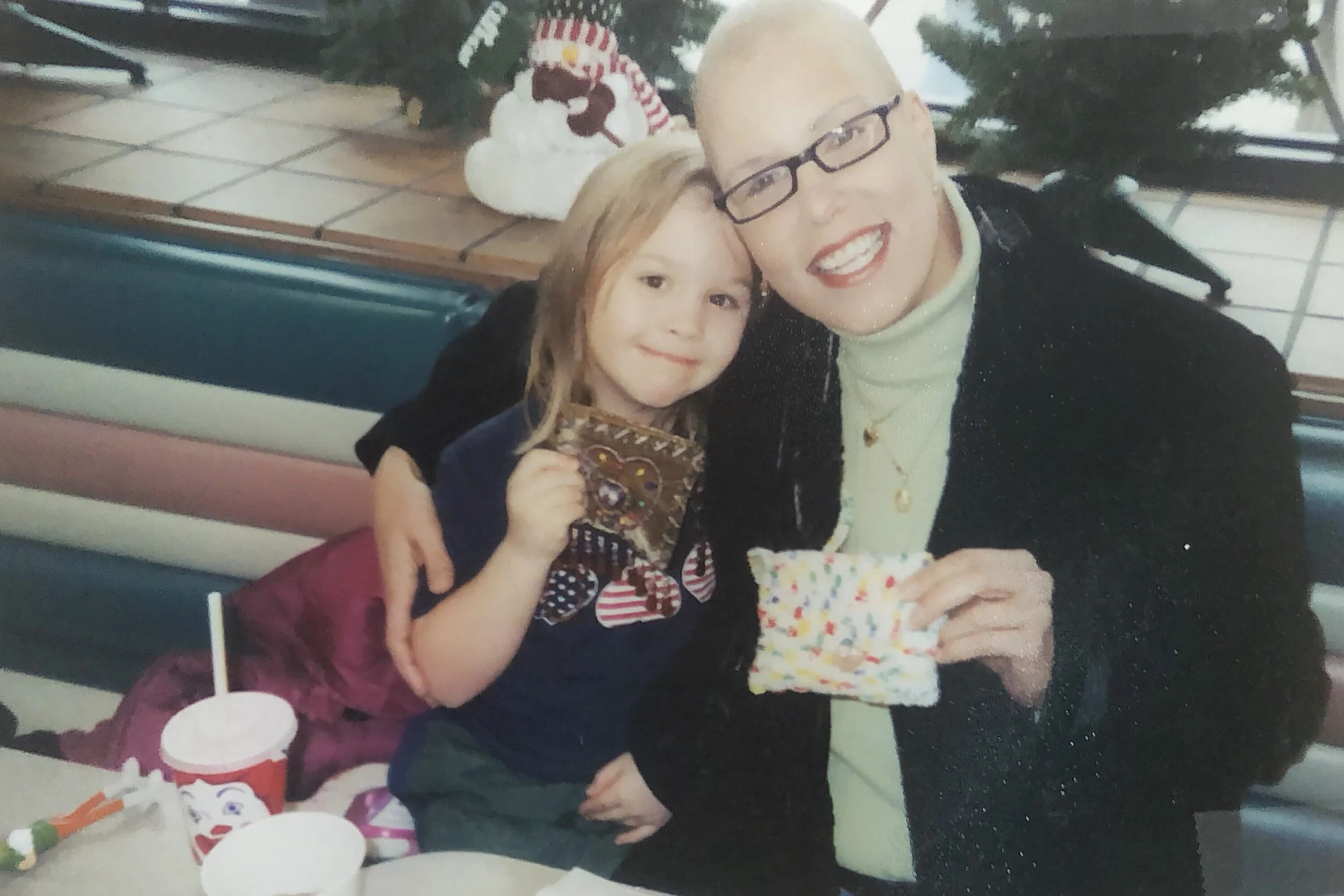
When asked, what does the future look like? Colleen speaks to the multi-generational origins of the opera house: a place for community. Gathering people together in good times and bad. An 80-year old guest who took 30 minutes to climb the stairs, determined to experience the joy of the performance. And her son Adam, who has been working by her side for the past few years. “I think the future depends on our youth and making sure that when they walk into these magical places, they don't see ghosts. They see, ‘What can we do to make sure that the history here goes forward?’”
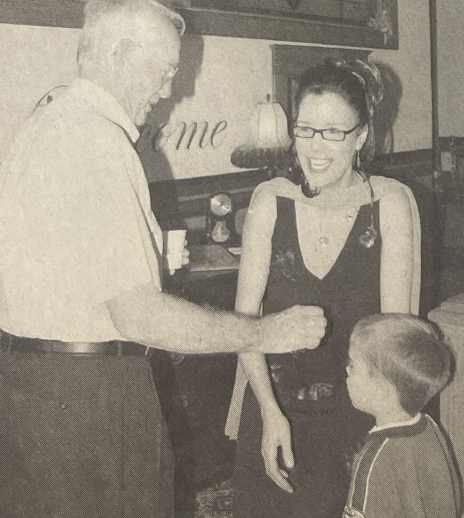
Colleen and Adam Frost 2004
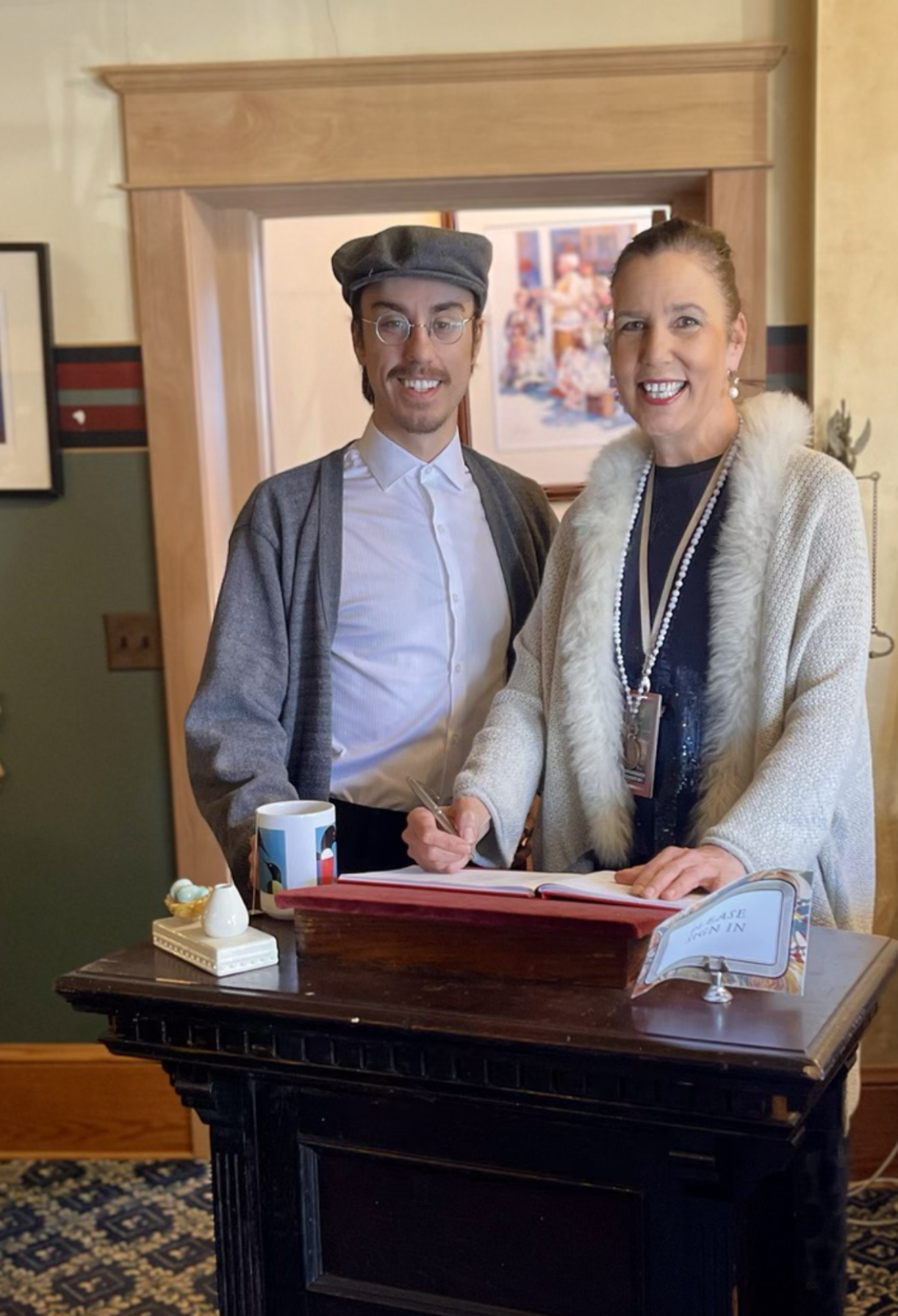
Colleen and Adam Frost 2023
Not surprisingly, Frost is moved by sentiment, evident in a love of old buildings and an archive of costume and fashion from all eras including delicate Edwardian dressing gowns, a pink Can-Can dress of cascading ruffles, Gunne Sax bodice with puff sleeves, and a sequined mini dress worn by Phyllis Dillar. A cluster of posters, “Opera House” “Thursday!” and most notably for the play, “7 Days” a comedy by Mary Roberts Rinehart, staged by the famed Wagenhals and Kemper were discovered during renovation and now preserved. My mission has been as a preservationist, I needed a new history and this project saved my life”, says Colleen.